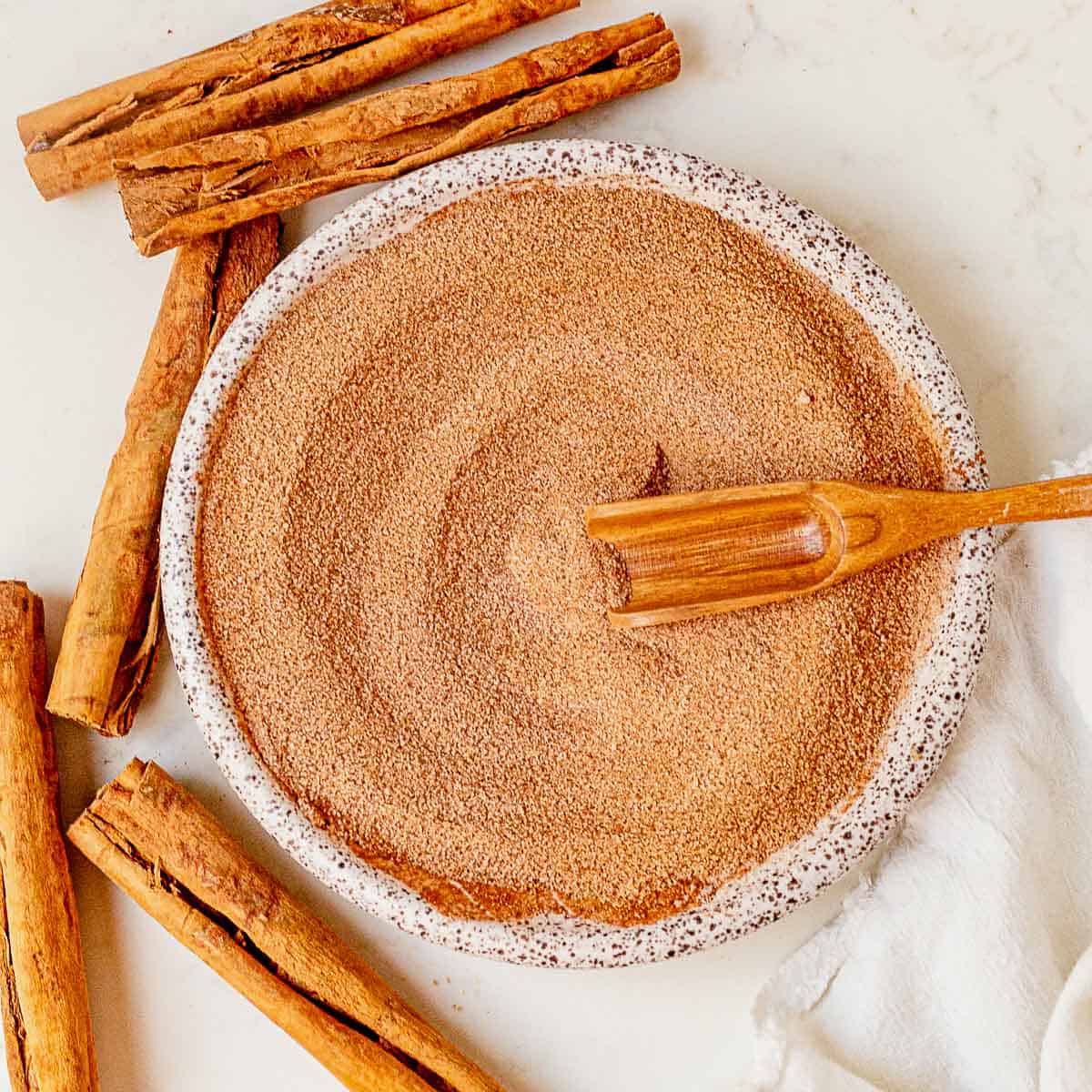
The Enduring Allure of Cinnamon Sugar: More Than Just Two Ingredients
Few kitchen staples possess the humble magic of homemade cinnamon sugar. This simple, two-ingredient concoction has the power to elevate ordinary dishes into comforting, unforgettable experiences. Picture perfectly golden French toast, warm-from-the-oven muffins, or light-as-air donut holes dusted with this sweet, spiced sprinkle. It's a taste of nostalgia, a whisper of warmth, and a versatile flavor enhancer that truly complements almost anything it touches.
While whipping up a batch of cinnamon sugar seems utterly straightforward – just sugar and cinnamon – unlocking its true potential lies in understanding the nuances of these two pantry powerhouses. Beyond merely combining them, the secrets to an exceptional batch lie in choosing the right type of cinnamon and masterfully adjusting the ratio to suit your palate and purpose. This guide will delve into these "secrets," ensuring your homemade cinnamon sugar is always a sprinkle of perfection.
The Humble Powerhouses: Granulated Sugar and Ground Cinnamon
At its core, cinnamon sugar is defined by its two namesake ingredients. Understanding each component is the first step to crafting your ideal blend.
Sugar: The Sweet Foundation
- Granulated Sugar: This is the uncontested champion for classic cinnamon sugar. Its fine, uniform crystals provide the perfect texture for coating, dusting, and dissolving evenly. It delivers consistent sweetness without introducing additional flavors or moisture that might clump your mix.
- Other Sugars (Use with Caution): While granulated sugar is best, other sugars *can* be used with varying results. Caster sugar, being finer, will create a smoother, more delicate coating. Brown sugar introduces molasses notes and moisture, which can lead to clumping and a different flavor profile, making it less ideal for a standard dry mix but potentially interesting for specific applications like a streusel. For the classic blend, stick to granulated.
The sugar provides the bulk, the sweetness, and acts as the perfect carrier for the aromatic spice, ensuring every bite or sprinkle delivers that beloved flavor combination.
Cinnamon: The Heart of the Aroma and Flavor
This is where the real magic, and the critical choice, comes in. When we say "cinnamon," we're often referring to a family of spices, each with its own unique characteristics. The type of ground cinnamon you select will profoundly impact the warmth, sweetness, and overall flavor profile of your final mix.
Always ensure you are using ground cinnamon for your cinnamon sugar. While whole sticks are fantastic for infusing liquids, ground spice guarantees an even distribution throughout your sugar, creating that perfectly balanced sprinkle.
Unveiling Cinnamon's World: A Spice for Every Palate
Diving deeper into the world of cinnamon reveals a spectrum of flavors. Choosing the right variety can elevate your cinnamon sugar from good to truly exceptional.
- Cassia Cinnamon (Common Cinnamon): This is the most widely available and consumed variety, often simply labeled "cinnamon" in grocery stores. It's known for its robust, strong, and spicy flavor with a slightly pungent edge. Cassia cinnamon is derived from the bark of various Cinnamomum trees, primarily from China, Indonesia, and Vietnam. It's a fantastic all-rounder for everyday baking, providing that classic, comforting cinnamon taste we all know and love. If you're looking for a bold, traditional flavor for your French toast or apple pie, Cassia is an excellent choice.
- Ceylon Cinnamon ("True Cinnamon"): Hailing primarily from Sri Lanka (formerly Ceylon), this variety is considered "true cinnamon" and is celebrated for its delicate, sweet, and nuanced flavor. Unlike the bolder Cassia, Ceylon offers complex notes of citrus, cloves, and even floral hints, with a much less intense spiciness. Its subtle elegance makes it ideal for dishes where cinnamon is meant to shine without overpowering other flavors, such as delicate pastries, beverages, or where you want a refined aroma. It also contains significantly less coumarin, a natural compound that can be problematic in large quantities, making it a preferred choice for some health-conscious consumers. Its higher quality often comes with a higher price tag.
- Saigon Cinnamon (Vietnamese Cinnamon): This variety is a powerhouse of flavor and aroma. Saigon cinnamon boasts an incredibly potent, intensely sweet, and spicy profile, even more so than Cassia. It's renowned for its high volatile oil content, which translates to a powerful aroma that can fill a kitchen. If you want your cinnamon sugar to pack a serious punch, especially for bold desserts, chili, or spice rubs, Saigon cinnamon is an unparalleled choice.
Pro Tip: Experiment! Don't be afraid to try different cinnamon varieties. Purchase small quantities of each and create mini-batches of cinnamon sugar. Taste them side-by-side or use them in different recipes to discover which flavor profile you prefer for various applications. You might find Cassia perfect for toast, while Ceylon elevates your morning coffee, and Saigon becomes your secret weapon for cinnamon rolls.
The Art of Balance: Mastering Your Cinnamon Sugar Ratio
Once you've chosen your preferred cinnamon, the next critical step is perfecting the ratio of cinnamon to sugar. This isn't a one-size-fits-all equation, but rather an art form guided by personal preference and intended use.
The Golden Starting Point: 1:4 Cinnamon to Sugar
A widely accepted and excellent starting point for homemade cinnamon sugar is a 1:4 ratio of cinnamon to granulated sugar. This typically translates to 2 tablespoons of ground cinnamon for every 1/2 cup of granulated sugar. This ratio strikes a harmonious balance, providing noticeable warmth and spice without overwhelming the sweetness. For many, this is the "sweet spot" that creates a delightful sprinkle perfect for most applications.
Factors Influencing Your Ideal Ratio
While 1:4 is a great starting point, consider these factors when adjusting to your taste:
- Personal Preference: This is paramount. Some people adore a bold, spicy kick and might prefer a 1:3 or even 1:2 ratio. Others might lean towards a milder, sweeter sprinkle, opting for a 1:5 or 1:6 ratio.
- Intended Application:
- Dusting & Topping: For coating donuts, sprinkling on toast, or topping oatmeal, a slightly sweeter mix (closer to 1:4 or 1:5) might be desired for a pleasant surface crunch and balanced flavor.
- Baking & Fillings: If using your cinnamon sugar as a filling for cinnamon rolls, a streusel topping, or incorporated into cookie dough, you might increase the cinnamon slightly (1:3.5 or 1:3) to ensure its flavor stands out against other ingredients.
- Beverages: For coffee or hot chocolate, personal taste dictates, but a slightly less potent mix might be preferred.
- Type of Cinnamon Used: This is where your spice choice truly impacts the ratio.
- If you're using a potent Saigon cinnamon, you might find that a standard 1:4 ratio delivers a much stronger spice kick than with Cassia. You might prefer a 1:4.5 or 1:5 ratio to achieve your desired balance.
- Conversely, if you're using a delicate Ceylon cinnamon, you might need to lean closer to a 1:3.5 or even 1:3 ratio to ensure its nuanced flavor comes through prominently.
How to Adjust Your Ratio
The beauty of homemade cinnamon sugar is its complete customizability. Here’s a simple method for finding your perfect balance:
- Start Small: Begin with the 1:4 ratio (e.g., 1/2 cup sugar to 2 tablespoons cinnamon).
- Mix Thoroughly: Whisk the ingredients together until evenly combined.
- Taste Test: Dip a clean spoon or a small piece of plain toast into the mix and taste it. Or, for a more accurate assessment, try it on the specific food you intend to use it with.
- Adjust Incrementally:
- Too Spicy? Add more granulated sugar, one tablespoon at a time, mixing well after each addition and re-testing.
- Not Spicy Enough? Add more ground cinnamon, 1/2 teaspoon at a time, mixing and re-testing.
Remember, it's easier to add more than to take away, so adjust slowly until you hit that personal sweet spot. For a foolproof recipe with the perfect 1:4 ratio to get you started, check out our guide on Easy Homemade Cinnamon Sugar: Perfect 1:4 Ratio & Recipe.
Beyond the Basics: Tips for Cinnamon Sugar Perfection
Making a Batch: Small or Large?
The beauty of cinnamon sugar is how effortlessly it comes together. Whether you need a small amount for a single morning's toast or a larger batch for extensive holiday baking, you can scale the recipe up or down. A standard batch (1/2 cup sugar to 2 tablespoons cinnamon) yields about 10 tablespoons of mix, which is perfect for most household needs. Make a larger batch to keep on hand for whenever the craving strikes, knowing it will keep well.
Storage Savvy
Once mixed, proper storage is key to maintaining the freshness and potency of your cinnamon sugar. Store it in an airtight container (like a spice jar or a small glass jar with a tight-fitting lid) in a cool, dark pantry. This prevents moisture from causing clumping and protects the volatile oils in the cinnamon from degrading, ensuring your mix stays aromatic and flavorful for months.
The Freshness Factor
Just like any spice, the freshness of your ground cinnamon makes a significant difference. Old, stale cinnamon will have lost much of its aromatic punch. Always use relatively fresh ground cinnamon for the best results. A good rule of thumb is to replace ground spices every 6-12 months.
Unleash Its Versatility
The applications for cinnamon sugar are virtually endless. Beyond the obvious French toast and muffins, consider:
- Dusting freshly made popcorn or roasted nuts.
- Stirring into your morning oatmeal or yogurt.
- Sprinkling over fruit salads or baked apples.
- Adding to coffee or hot chocolate for a cozy twist.
- Rolling warm, homemade donuts or churros.
- Sweetening sweet potato fries.
For more inspiring ideas to elevate your everyday meals and special treats, explore our comprehensive guide: Transform Your Treats: The Ultimate Guide to Cinnamon Sugar Uses.
Conclusion
While deceptively simple, cinnamon sugar holds a profound power to transform the ordinary into the extraordinary. By understanding the unique characteristics of different cinnamon varieties and mastering the art of adjusting your ratio, you can move beyond a basic sprinkle to craft a blend that perfectly suits your taste and culinary creations. So go ahead, choose your cinnamon, perfect your ratio, and let the warm, sweet magic of homemade cinnamon sugar infuse your kitchen with comfort and joy.
